
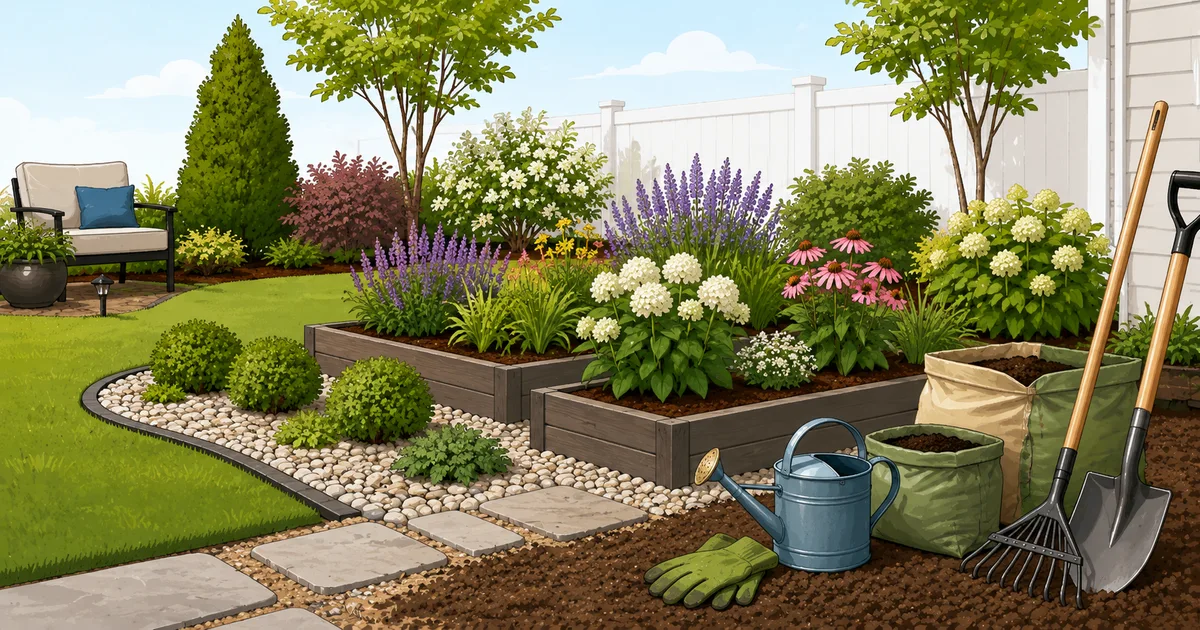
Raised Garden Bed Cost in 2026: Soil, Lumber, Blocks, Mulch and Planting Budget
A cost planning guide for raised garden beds covering bed materials (cedar, pine, galvanized steel, concrete blocks), soil volume, compost, mulch, plant costs, and tools.
Quick Answer
Raised garden bed costs range from $50 to $500 per bed depending on size, material, soil fill, and whether you build it yourself or buy a kit. A standard 4 ft x 8 ft x 12-inch cedar bed costs $100–$200 in lumber, $60–$120 in soil and compost, and $30–$80 in seeds or starter plants — totaling $190–$400 for the first season. Concrete block beds are the most economical option at $40–$80 per bed for blocks, while cedar and redwood beds offer the best longevity-to-cost ratio for organic gardening.
Quick Estimate
Cost ranges below are for a single 4 ft x 8 ft raised garden bed at standard depths. Planning estimates based on 2026 US averages.
| Cost Component | DIY Wood Bed | Cedar Kit | Concrete Block Bed |
|---|---|---|---|
| Bed frame materials | $40–$100 | $80–$200 | $30–$60 |
| Hardware and fasteners | $10–$20 | Included | $0–$10 |
| Garden soil mix (32 cu ft) | $50–$80 | $50–$80 | $50–$80 |
| Compost amendment | $15–$30 | $15–$30 | $15–$30 |
| Mulch (pathway around bed) | $15–$40 | $15–$40 | $15–$40 |
| Seeds or starter plants | $10–$60 | $10–$60 | $10–$60 |
| First season total | $140–$330 | $170–$410 | $120–$280 |
Ranges are broad planning estimates. Soil, lumber, and plant prices vary by region and season.
Planning estimate: All cost figures shown are broad 2026 US averages for planning purposes only. Material and labor costs vary significantly by region, site access, market conditions, and project specifications. Verify prices with local suppliers and contractors. This is not a quote, guarantee, or professional estimate.
Calculators Used in This Guide
Lumber vs Galvanized Steel vs Concrete Block Comparison
The bed frame material is the largest variable cost in a raised garden bed. Each material offers different tradeoffs between price, durability, and gardening suitability. Below is a deeper look at the three most common options and additional material choices.
| Material | Cost per 4x8 Bed | Lifespan | Key Consideration |
|---|---|---|---|
| Untreated cedar | $80–$200 | 8–12 years | Natural rot resistance, safe for organic gardening |
| Pressure-treated pine (modern) | $40–$100 | 5–8 years | Now ACQ treated (safe for vegetables), lower cost |
| Galvanized steel / corrugated metal | $60–$150 | 15–25 years | Modern look, heats soil in summer, needs assembly |
| Concrete blocks (no mortar) | $30–$60 | Lifetime | Most economical, modular, easy to reconfigure |
| Composite decking | $100–$250 | 15–25 years | Low maintenance, heavy, needs sturdy framing |
| Brick or stone | $80–$250 | Lifetime | High aesthetic value, permanent, hard to move |
Cedar is the most popular raised bed material in the US because it balances cost, rot resistance, and gardening safety. Western red cedar and eastern white cedar are both suitable options. Cedar contains natural oils that resist decay and insect damage without chemical treatment, making it the preferred choice for organic vegetable gardens. The main tradeoff is cost — cedar is roughly twice the price of pressure-treated pine. Cedar boards also tend to check (develop surface cracks) as they dry, which is cosmetic and does not affect structural integrity.
Pressure-treated pine has improved significantly since the switch from CCA to ACQ treatment, and modern ACQ-treated lumber is considered safe for vegetable gardens by the EPA and CPSC. The cost advantage is substantial — a 4x8 bed in pressure-treated pine costs roughly half what the same bed in cedar would cost. The downside is shorter lifespan: 5–8 years versus 8–12 years for cedar. Pressure-treated wood also tends to warp and twist more than cedar as it dries, so selecting straight boards at the lumber yard and using corrosion-resistant fasteners is important.
Galvanized steel beds have gained popularity in recent years for their modern industrial appearance and exceptional longevity. The steel is coated with a zinc layer that prevents rust, giving these beds a 15–25 year lifespan. Steel beds heat up faster in spring, which can extend the growing season in cooler climates, but the same property can stress plant roots during summer heat waves in warmer regions. Corrugated metal beds typically come as kits with pre-drilled panels and bolt-together assembly, which makes them simple to install but limits size customization. Sharp edges on cut metal can be a safety concern — look for kits with rolled edges or edge trim.
Concrete block (CMU) beds are the most economical option with the longest lifespan. Standard 8x8x16 blocks stacked dry (no mortar) create a sturdy, permanent bed structure that can last indefinitely. Blocks cost roughly $1.50–$2.50 each, and a 4x8 bed requires about 28 blocks for a two-course (16-inch) wall. The hollow cores of concrete blocks can be filled with soil for additional planting space, making them efficient for small-space gardening. The main drawbacks are permanence — concrete beds are very difficult to move once built — and the potential for lime to leach into the soil, though this is rarely significant enough to affect pH for most vegetables.
Before deciding on a material, use the Square Footage Calculator to confirm your bed dimensions and the Topsoil Calculator to estimate how much soil you will need to fill it. The right material depends on your budget, desired lifespan, and aesthetic preference.
Soil Volume Calculation for Raised Beds
Calculating the correct soil volume for your raised bed prevents the common problem of buying too little or too much soil. The formula is straightforward: length (ft) x width (ft) x depth (ft) = cubic feet. For a 4 ft x 8 ft bed at 12 inches (1 ft) deep, that is 32 cubic feet. At 6 inches deep, it is 16 cubic feet. At 18 inches, it is 48 cubic feet.
Bagged garden soil is the most convenient option for small to medium beds. Standard bags hold 2 cubic feet and cost $4–$8 per bag depending on the mix and brand. For a 4x8 bed at 12 inches deep, you need 16 bags of 2-cubic-foot soil, totaling $64–$128. Bagged soil is easy to transport in a standard passenger vehicle and requires no special delivery arrangements, but the per-cubic-foot cost is 50–100% higher than bulk soil.
Bulk soil delivery is more economical for larger projects. Bulk garden soil or raised bed mix costs $20–$50 per cubic yard delivered, with a typical minimum order of 3–5 cubic yards. One cubic yard equals 27 cubic feet. For a single 4x8 bed at 12 inches deep (32 cubic feet or 1.2 cubic yards), bulk delivery is usually not cost-effective because of the minimum order requirement. However, if you are building multiple beds — three or more 4x8 beds at 12 inches deep — bulk delivery becomes significantly cheaper than bagged soil. Three beds need 96 cubic feet or roughly 3.6 cubic yards, which may meet the minimum order threshold.
For gardeners who want to calculate exact soil needs for any bed size, use the Topsoil Calculator. The calculator handles length, width, and depth inputs and returns results in both cubic feet and cubic yards, with bag count estimates based on common bag sizes. This tool helps you compare bagged versus bulk costs side by side before making a purchase.
Another way to reduce soil volume requirements is the lasagna gardening method (also called hugelkultur for the deep-bed version). Fill the bottom 6–12 inches of deep beds with logs, branches, leaves, grass clippings, and kitchen scraps before adding garden soil on top. This organic layer decomposes over time, releasing nutrients and reducing the amount of purchased soil needed by 30–50%. It also improves drainage and water retention in the upper soil layer. For a 4x8 bed at 18 inches deep, using 8–10 inches of organic filler reduces purchased soil volume from 48 cubic feet to roughly 24–28 cubic feet, saving $50–$100 at bagged soil prices.
Garden Soil and Amendments
Filling a raised bed with the right soil mix is critical for plant health. A good raised bed mix is approximately 50–60% topsoil or garden soil, 20–30% compost, and 10–20% organic amendment (peat moss, coconut coir, or aged manure). Bagged raised bed mixes are available at garden centers for $8–$15 per 2 cubic foot bag. Bulk delivery is cheaper per cubic foot but requires a minimum order — typically 3–5 cubic yards, which is far more than a single bed needs.
Compost and organic amendments add nutrients, improve water retention, and encourage healthy soil microbiology. Plan to replenish 1–2 inches of compost annually to replace nutrients consumed by plants. Annual compost cost for a 4x8 bed is roughly $15–$30. A soil test every 2–3 years helps identify nutrient deficiencies and pH imbalances before they affect plant health. Local extension offices offer soil testing for $10–$30 per sample.
DIY vs Professional Garden Bed Installation
Raised garden beds are one of the most DIY-friendly landscaping projects. Building a single wood bed requires only basic carpentry skills: measuring, cutting, drilling pilot holes, and driving screws. The tools needed are minimal — a circular saw or handsaw, drill/driver, tape measure, speed square, and level. If you do not already own these tools, expect to spend $100–$250 on basic entry-level equipment. Many homeowners find that the tool purchase pays for itself after building 2–3 beds compared to hiring a professional.
DIY installation makes the most sense when you are building 1–4 standard rectangular beds from wood or concrete blocks. These shapes are straightforward to lay out and assemble in a weekend. For a single 4x8 wood bed, a DIY builder typically completes the project in 4–6 hours including lumber pickup, cutting, assembly, and placement. Concrete block beds go even faster — about 2–3 hours for layout and stacking.
Hiring a professional becomes worthwhile in specific situations. If your installation site requires grading, drainage work, or removal of existing sod and debris, a landscape contractor has the equipment — skid-steer loader, sod cutter, plate compactor — to handle these tasks efficiently. Professional installation also makes sense for custom shapes (curved beds, L-shapes, tiered beds), beds built on slopes requiring terracing, or when you need bed heights above 24 inches that require reinforced framing. Professional labor for raised bed installation typically runs $150–$400 per bed depending on complexity and local labor rates.
For budgeting your project, the Landscaping Cost Calculator can help estimate total project costs including material and labor. If you are also adding lawn or ground cover around the beds, the Sod Calculator provides quantity estimates for sod or seed.
Common Raised Garden Bed Mistakes to Avoid
Using the wrong wood. Untreated pine that is not rated for ground contact will rot within 2–3 years. Even pressure-treated pine should be rated for ground contact (typically marked "GC" on the lumber tag). Cedar and redwood are naturally rot-resistant but must be at least 1.5 inches thick — thinner cedar fence boards warp and crack quickly under soil pressure. Avoid using railroad ties or treated utility poles; these may contain creosote or other chemicals not approved for vegetable gardens.
Poor soil mix. Filling a raised bed with plain topsoil or garden soil from the yard is a common mistake. Plain topsoil compacts quickly in a raised bed, reducing drainage and root penetration. A proper raised bed mix includes compost, peat moss or coconut coir, and perlite or vermiculite for aeration. The ideal mix feels fluffy and crumbly when squeezed — it should not form a hard ball. Skimping on compost also means weaker plant growth and lower yields.
Bad location. Placing a raised bed in a low spot where water pools, or in full shade, guarantees poor results regardless of how much you spend on materials and soil. Most vegetables need 6–8 hours of direct sunlight per day. Leafy greens can tolerate partial shade (4–6 hours), but fruiting crops like tomatoes, peppers, and squash will not produce well in shade. Also avoid placing beds under mature trees where roots will compete for water and nutrients.
Insufficient bed depth. A 6-inch-deep bed limits what you can grow. While lettuce, spinach, and herbs can manage in 6 inches of soil, carrots and other root vegetables need 12 inches, and tomatoes, potatoes, and squash grow best in 12–18 inches. Build beds at least 12 inches deep for vegetable gardening. Deeper beds also retain moisture longer, reducing watering frequency during hot weather.
No drainage plan. Raised beds need drainage holes or gaps at the bottom. Solid-sided beds without drainage become waterlogged after heavy rain, drowning plant roots. Place beds on a slight grade or ensure the bottom has gaps between boards or blocks. For beds placed on concrete or compacted clay, raise the bed off the surface by 1–2 inches or drill drainage holes in the bottom boards.
Overcrowding plants. The temptation to pack more plants into a bed than it can support leads to competition for light, water, and nutrients. Follow seed packet spacing recommendations. For a 4x8 bed, a good rule of thumb is 4 tomato plants, or 8 pepper plants, or 16 lettuce plants. Overcrowded plants also have poor air circulation, which encourages fungal diseases.
Skipping pathway mulch. Bare soil pathways around raised beds turn into mud after rain and become weed nurseries. A 2–3 inch layer of shredded hardwood mulch or wood chips on pathways suppresses weeds, reduces mud, and creates a clean walking surface. Use the Mulch Calculator to estimate how much pathway mulch you need based on your bed layout.
Worked Example: Building a 4 ft x 8 ft Raised Cedar Bed
The following line-by-line cost breakdown shows what to expect when building a standard 4 ft x 8 ft x 12-inch cedar raised bed from scratch. Prices are 2026 US planning averages and will vary by region and season.
| Item | Quantity | Unit Cost | Total |
|---|---|---|---|
| Cedar 2x6 boards (8-ft length, two per layer) | 4 | $18 | $72 |
| Cedar 2x6 boards (4-ft length, two per layer) | 4 | $12 | $48 |
| 4x4 cedar corner posts (12-inch segments) | 4 | $5 | $20 |
| Galvanized deck screws (3-inch, 1 lb box) | 1 box | $12 | $12 |
| Landscape fabric (3-ft wide, for lining) | 12 linear ft | $0.80/ft | $10 |
| Bed frame subtotal | $162 | ||
| Bagged raised bed soil mix (2 cu ft bags) | 16 bags | $6/bag | $96 |
| Compost amendment (1 cu ft bags) | 4 bags | $6/bag | $24 |
| Vegetable seed packets (tomato, pepper, lettuce, basil, carrot, bean) | 6 packets | $3.50/packet | $21 |
| Shredded hardwood mulch (2 cu ft bags, for pathways) | 4 bags | $5/bag | $20 |
| First season total | $323 | ||
This $323 estimate represents a moderate-cost scenario using cedar lumber and bagged soil. You can reduce costs by substituting pressure-treated pine for cedar (saves roughly $60–$80) or ordering bulk soil if you are filling multiple beds at once. Adding a drip irrigation kit adds $40–$100 to the total but reduces watering labor throughout the growing season. The ongoing annual cost for a bed this size — compost top-up, seed replacements, and mulch refresh — runs roughly $50–$80 per year after the first-season investment.
Plant Costs: Seeds vs Transplants
Starting a garden from seeds is significantly cheaper than buying starter plants but requires more time and attention. A seed packet costs $2–$5 and contains enough seeds for multiple seasons. A starter plant (6-pack tray) costs $3–$6 per plant. For a 4x8 bed with 12–20 plants, seeds cost $10–$30, while starter plants cost $40–$120.
Perennial plants like asparagus, rhubarb, strawberries, and herbs cost more upfront ($5–$15 per plant) but produce for 3–10 years without replanting, making them cost-effective over time. Annual vegetables are typically replaced each season, increasing annual plant costs.
Garden Tools and Infrastructure
Basic tools for raised bed gardening add $50–$150 to the first-year budget. Essential tools include a garden trowel, hand cultivator, pruning shears, garden hose or watering wand, and a kneeling pad. A drip irrigation system adds $40–$100 but reduces water usage and saves time over the season. Trellises for climbing plants (tomatoes, cucumbers, beans) cost $10–$40 per bed.
Pathway Mulch and Bed Surroundings
If the raised bed is surrounded by lawn or bare soil, plan for pathway material around the bed. Mulch, wood chips, or gravel around the bed reduces mud, suppresses weeds, and creates a clean working area. For a 4x8 bed with a 2-ft wide walkway on all sides, expect to cover 40–60 sq ft of pathway. Use the Mulch Calculator to determine exact mulch quantity based on your desired depth — a 2–3 inch layer requires roughly 1–1.5 cubic yards for a typical pathway layout around one 4x8 bed. Landscape fabric under the pathway reduces maintenance. Mulch costs $15–$40 for this area.
DIY Wood Bed Construction Tips
Building a wood raised bed is a beginner-friendly weekend project. Use 2x6 or 2x8 lumber for the sides. A 4x8 bed with 12-inch height needs two 8-ft boards and two 4-ft boards per layer, plus corner posts (4x4) or corner blocks for stability. Galvanized deck screws (3-inch) resist rust better than standard screws.
Line the inside of wood beds with landscape fabric to extend the wood lifespan by reducing direct soil contact. Do not use plastic liners — they trap moisture against the wood and cause faster rot. For extra longevity, attach 1/4-inch hardware cloth to the bottom of the bed to exclude gophers and voles.
Frequently Asked Questions
Related Calculators
Landscaping Cost Calculator
Estimate landscaping project cost by scope and yard size.
Topsoil Calculator
Calculate cubic yards of topsoil for gardens and lawn establishment.
Mulch Calculator
Calculate bags or cubic yards of mulch for garden beds.
Square Footage Calculator
Calculate the square footage of any room or space in seconds.
References and Data Sources
USDA Agricultural Research Service — Raised Bed Gardening Best Practices
Research-based guidance on raised bed construction materials, soil composition, and crop selection for home vegetable gardening.
Environmental Protection Agency — Pressure Treated Wood in Garden Settings
EPA safety recommendations regarding ACQ-treated lumber use in residential vegetable garden applications.
American Horticultural Society — Home Garden Cost Analysis
Comparative analysis of garden establishment costs and break-even timelines for raised bed versus in-ground gardens.
All references are used for general estimation guidance only. BuildCalcHub does not claim certification, endorsement, or partnership with any listed organization. Always consult a licensed professional for your specific project requirements.
Cost Guides
Explore more project cost guides